Beginner's Guide to Cycling in Ontario
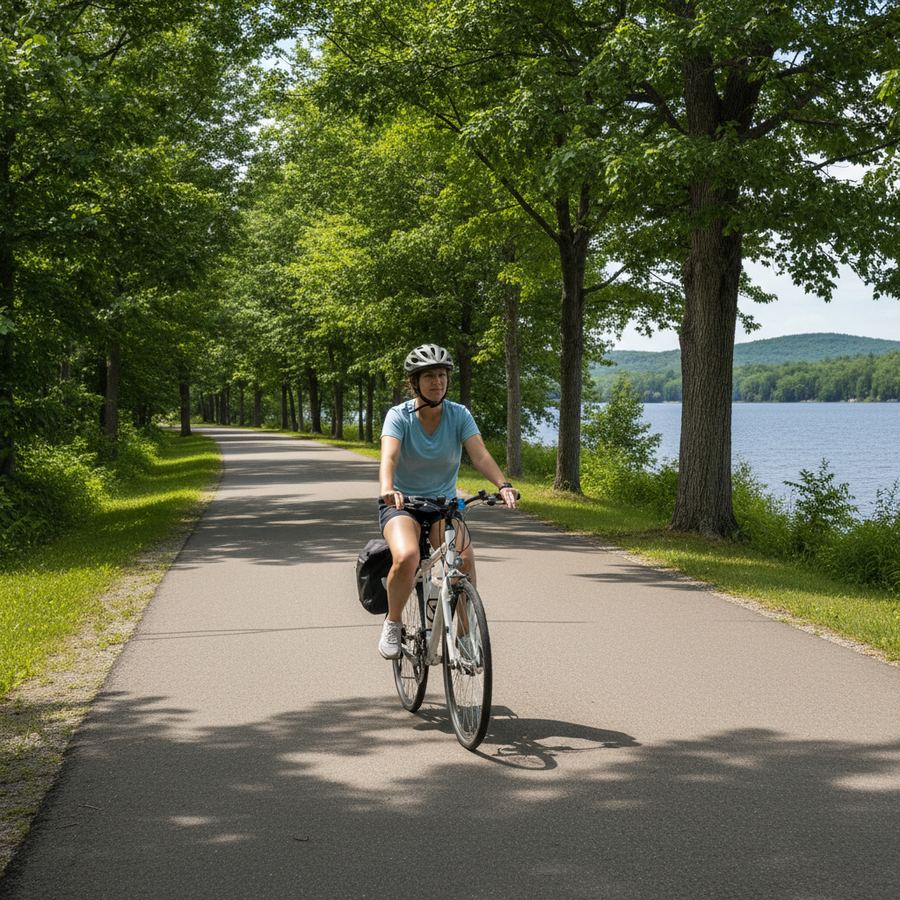
If you're thinking about trying trail cycling in Ontario but aren't sure where to start, this page covers the basics. Nothing complicated. Just the practical stuff that makes the difference between a ride you enjoy and one that turns into a frustrating afternoon.
Choosing Your First Ride
Start short and flat. That's the single most useful piece of advice for a first ride. A 10 to 15 kilometre out-and-back on a paved or hard-packed trail is plenty. You get to turn around whenever you want, and there's no pressure to complete a loop.
Look for trails described as "paved multi-use path" or "crushed limestone." These surfaces are smooth, predictable, and work with any type of bike. Avoid trails described as "natural surface," "singletrack," or "rough gravel" for your first few rides. They require more bike-handling skill and usually a different type of bike.
The easy rides page lists routes specifically suited to beginners. The family-friendly rides page is another good source, since those routes are selected for being flat, well-maintained, and not too long.
What to Bring
You don't need much gear to ride a trail, but a few things make a real difference:
- Water. Bring more than you think you need, especially in summer. One full bottle for rides under 20 km, two for anything longer. Most trails don't have water fountains.
- A helmet. Ontario law requires helmets for riders under 18, but you should wear one regardless. A basic helmet from a bike shop costs $40 to $60 and does the job.
- A phone. For navigation, for emergencies, and for checking the weather if the sky starts looking questionable.
- A basic repair kit. A spare inner tube, tire levers, and a small hand pump. If you don't know how to change a tube, learn before your first long ride. It takes five minutes to learn and will save you a long walk someday.
- Snacks. A granola bar or a banana. Low blood sugar on a bike is no fun.
- Sunscreen and bug spray. Ontario trails in June and July can be buggy, especially near water or through forested sections.
You don't need cycling-specific clothing for trail rides. Comfortable athletic wear works fine. Avoid loose pants that could catch on the chain, and wear shoes with a firm sole that grips the pedals.
Understanding Trail Surface Descriptions
Trail listings on this site and others use surface descriptions that can be confusing if you're not familiar with them. Here's what the common terms mean in practice:
- Paved / asphalt. Smooth, hard surface like a road. Works with any bike, including road bikes with narrow tires.
- Crushed limestone / screenings. Fine gravel that's been packed down. Feels firm under your tires, almost like pavement. This is the most common rail trail surface in Ontario. Works well with hybrid bikes and anything with tires 32mm or wider.
- Packed gravel. Coarser than crushed limestone but still rideable. You'll feel more vibration through the handlebars. Best with 35mm+ tires.
- Loose gravel. Unpacked stone that shifts under your tires. Requires wider tires (38mm+) and some confidence with bike handling. Not ideal for beginners.
- Natural surface / dirt. Can mean anything from hard-packed earth to muddy ruts depending on the weather. Conditions change with rain. Check recent reports before riding.
When in doubt, go wider on tires. A 38mm tire on a hybrid bike handles every surface type you'll encounter on Ontario's rail trails and multi-use paths.
Planning Your Distance
If you haven't been on a bike recently, here's a rough guide to what different distances feel like on a flat trail:
- 5 to 10 km: A short spin. 20 to 40 minutes of riding. Good for a first outing or a quick evening ride.
- 15 to 25 km: A solid recreational ride. One to two hours. This is the sweet spot for most casual riders.
- 30 to 50 km: A half-day ride. You'll want to bring lunch and extra water. Expect some fatigue in your legs toward the end if you're not used to it.
- 50+ km: A full day on the bike. Requires some fitness and planning around food and water stops.
Out-and-back trails are forgiving because you can always cut the ride short. If a trail is listed as 30 km end to end, you can ride 10 km out, turn around, and call it a 20 km day. No commitment required.
Hills change the equation. A 20 km ride with 200 metres of climbing feels a lot harder than 20 km on flat ground. Most rail trails and waterfront paths in Ontario are flat or nearly flat, which is one reason they're good for beginners.
Safety Basics
Trail cycling in Ontario is low-risk compared to road riding, but a few habits are worth building from the start:
- Stay right, pass left. Multi-use trails are shared with walkers, runners, and other cyclists. Keep to the right side and announce yourself ("on your left") before passing.
- Slow down at road crossings. Many rail trails cross rural roads. Some have stop signs, some don't. Treat every crossing as a stop. Drivers on side roads don't always expect cyclists.
- Watch for loose surfaces. Sand, wet leaves, and gravel patches on otherwise smooth trails can cause your tires to slip. Slow down through them, especially on turns.
- Tell someone your plan. Let someone know which trail you're riding and when you expect to be back. Cell coverage is spotty on some rural Ontario trails.
- Check your bike before you go. Squeeze both brake levers to make sure they work. Check that your tires are firm (not rock-hard, but not squishy). Make sure your seat is at the right height: when you're seated, your leg should be almost fully extended at the bottom of the pedal stroke.
When to Ride
The Ontario cycling season runs roughly from late April through October, depending on the year and where you are in the province. Northern trails open later and close earlier.
Spring rides (May and early June) are beautiful but unpredictable. Trails can be muddy for weeks after snowmelt, especially unpaved ones. Check trail condition reports before driving out to a trailhead.
Summer is prime season. Long days, warm weather, and the most consistent trail conditions. Early mornings and late afternoons are the most comfortable times to ride in July and August. Midday heat and sun exposure on shadeless trails can drain you faster than you'd expect.
Fall is arguably the best time to ride in Ontario. The air is cool, the bugs are gone, and the colours through hardwood forest are outstanding. September and early October are ideal.
Finding Parking and Trailheads
One of the most overlooked parts of planning a ride is figuring out where to park. Here's what to know:
- Rail trails usually have designated parking at former station sites or road crossings. These lots are often small and unsigned. Look for a widened gravel area where the trail meets a road.
- Multi-use paths in towns typically have parking at municipal parks, community centres, or arenas nearby.
- Don't park on private property or block farm gates. In rural areas, trail access points sometimes sit next to working farms. Be respectful of the land.
Individual route pages on this site include parking info where available. Google Maps satellite view is also useful for scoping out trailhead parking before you go.
Your Next Steps
Pick a trail, check the weather, and go. You don't need to overthink it. The easy rides page is a good starting point, or browse the bike paths section for paved options near you. Ontario has a huge network of rideable trails, and most of them are free, well-maintained, and a lot more interesting than riding laps around your neighbourhood.
For general trail information across the province, Ontario Trails Council maintains a database of multi-use trails with maps and access details.